


The Beaches: The Normandy Landings
The Normandy Landings
Memorial sites located in La Manche, and Calvados
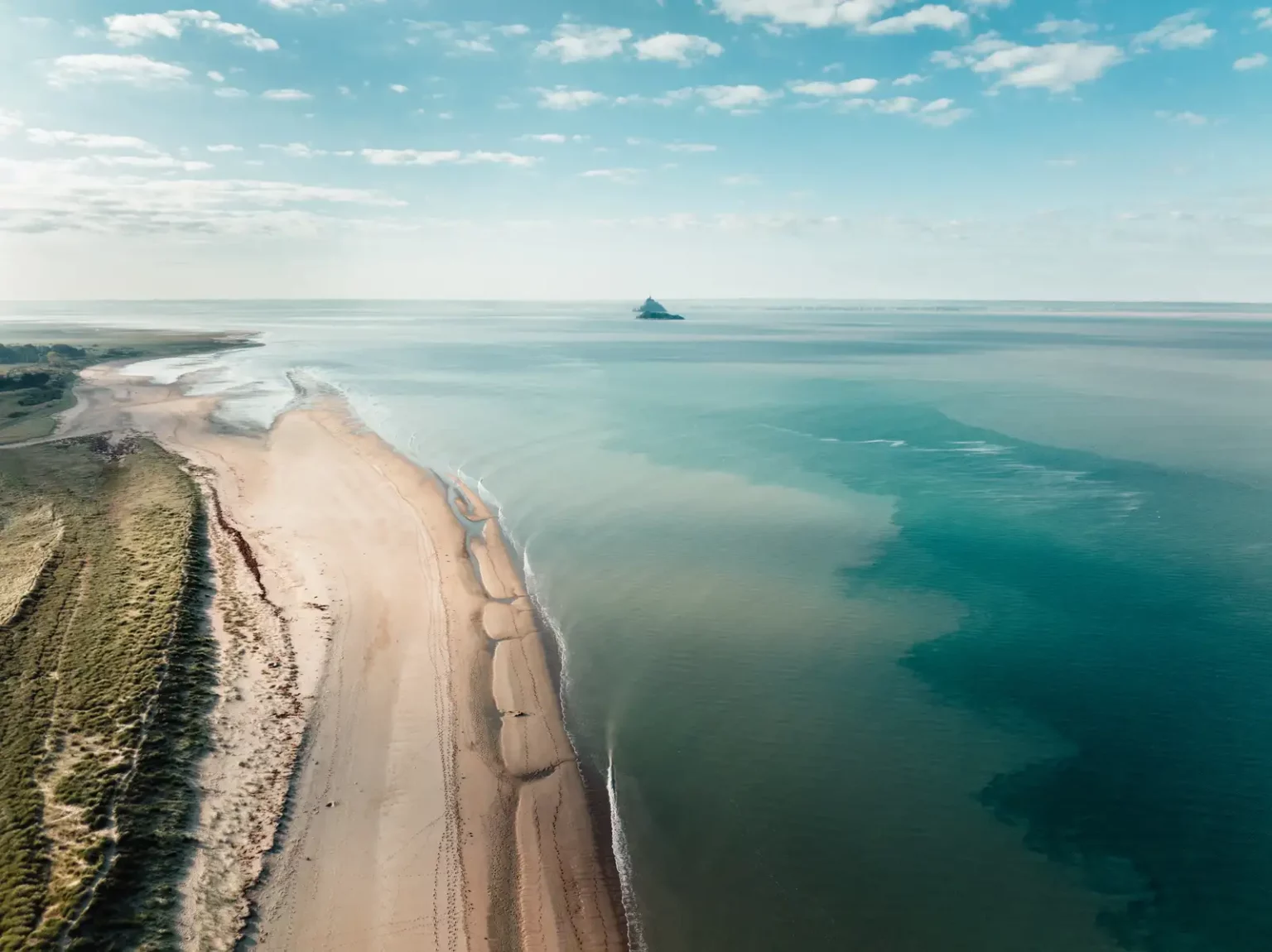
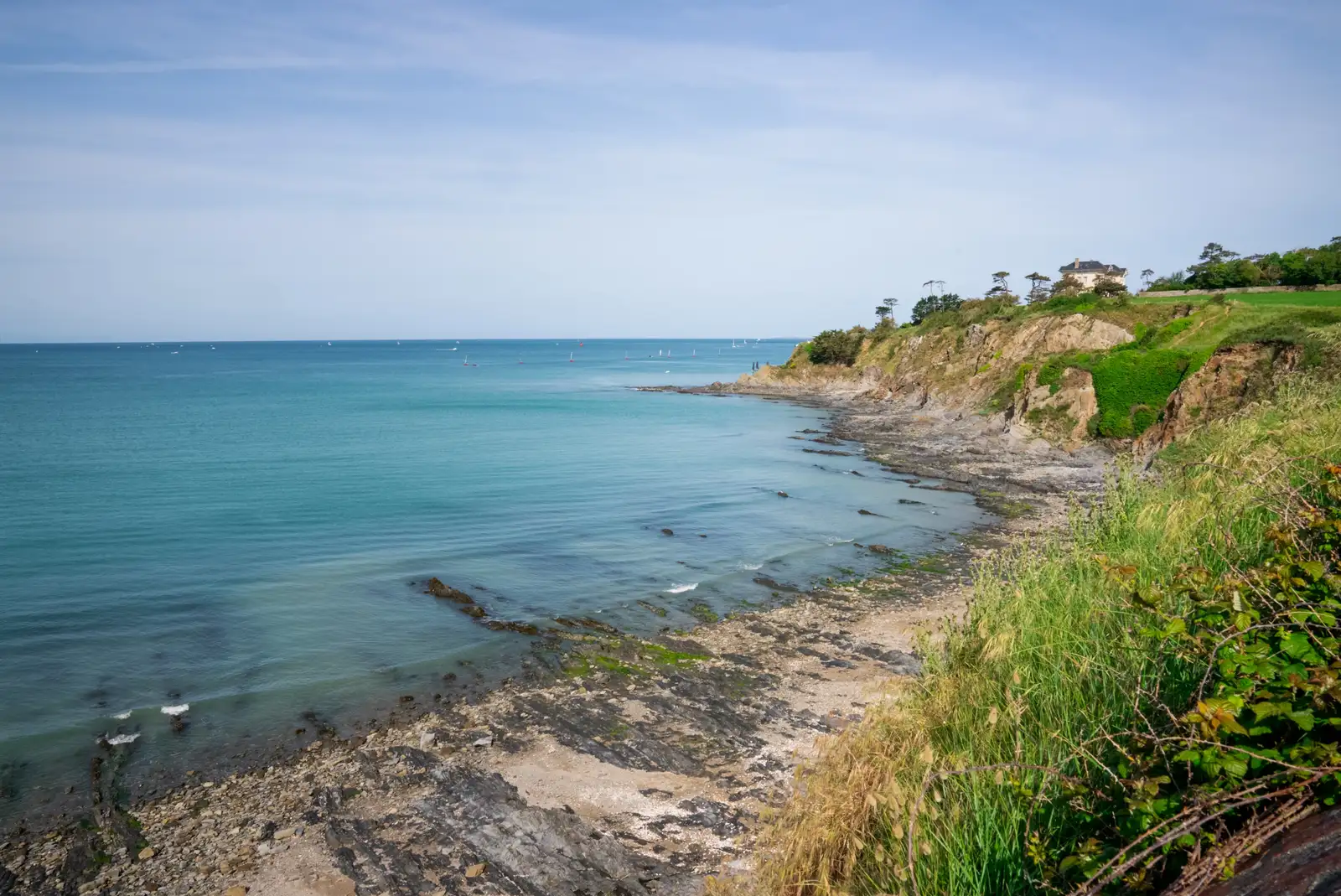
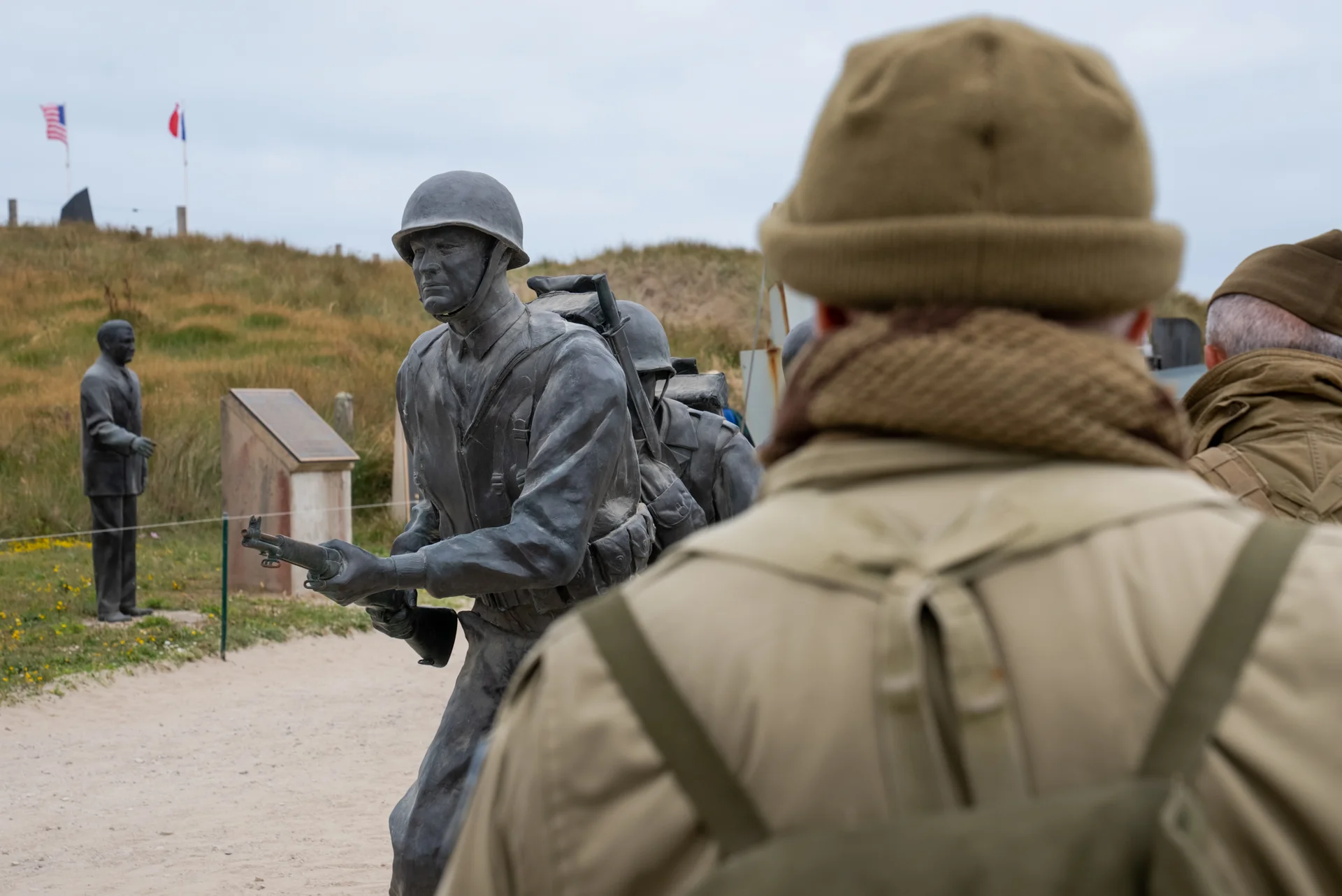
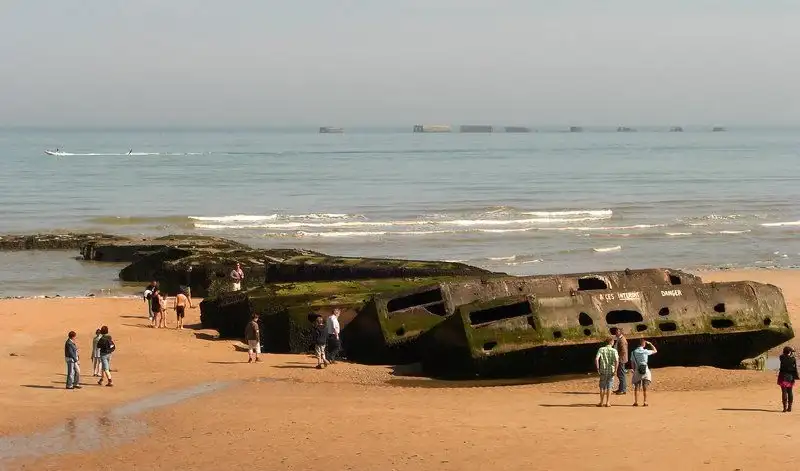
The D-Day beaches in Normandy stretch along a large portion of the coastline between Manche and Calvados. They correspond to the five sectors of June 6, 1944: Utah Beach, Omaha Beach, Gold Beach, Juno Beach, and Sword Beach. In addition to these beaches, there are several memorial sites that provide context for exploring the D-Day landings: Pointe du Hoc, the military cemeteries, the museums, and the remains visible along the shore.
This collection encompasses a vast historical region, where each site has its own unique identity. Some sites are directly linked to the military operations of D-Day. Others primarily help visitors understand the events, grasp their scale, or place their visit within the broader context of the Battle of Normandy.
Beach
Omaha Beach
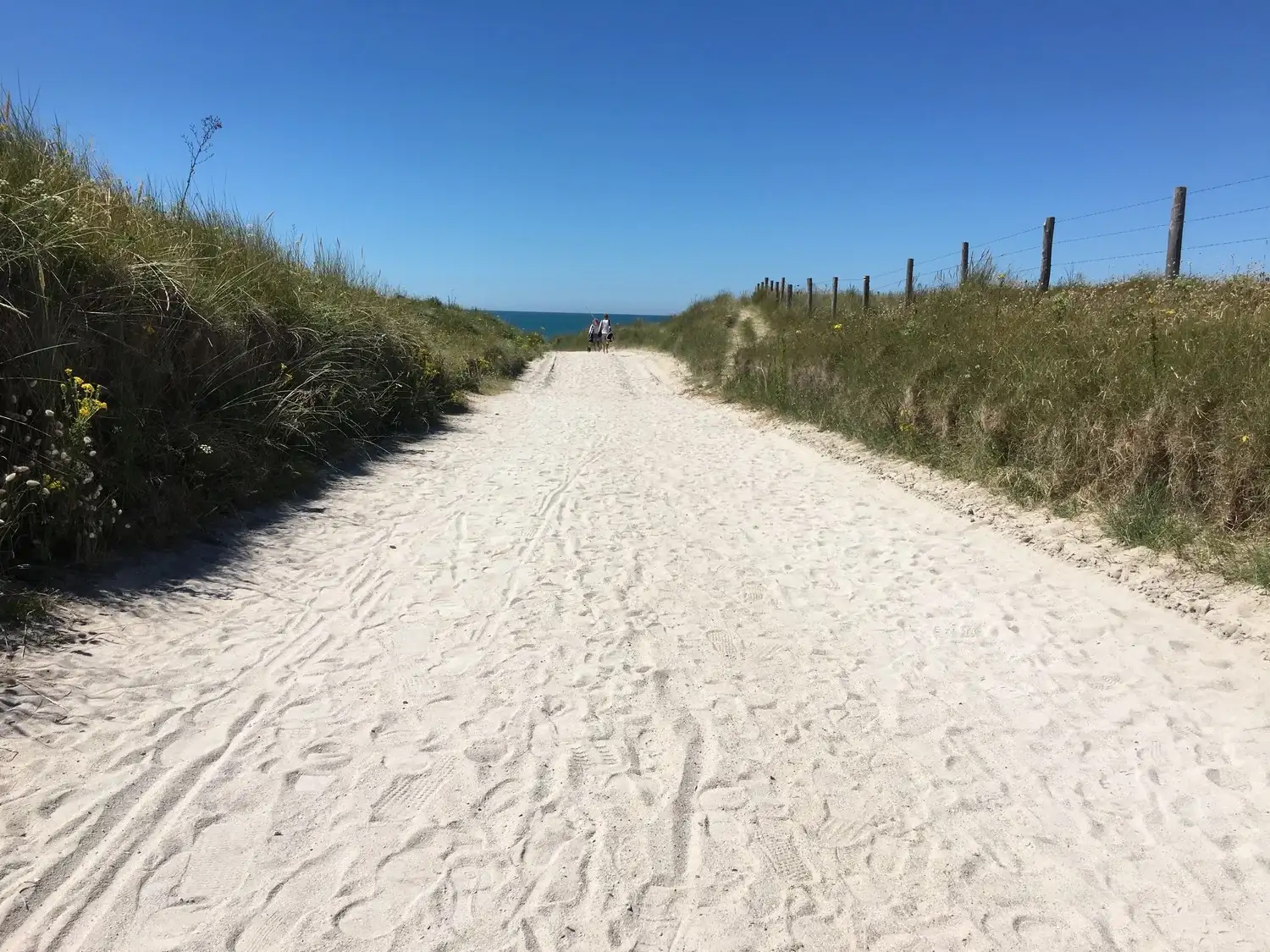
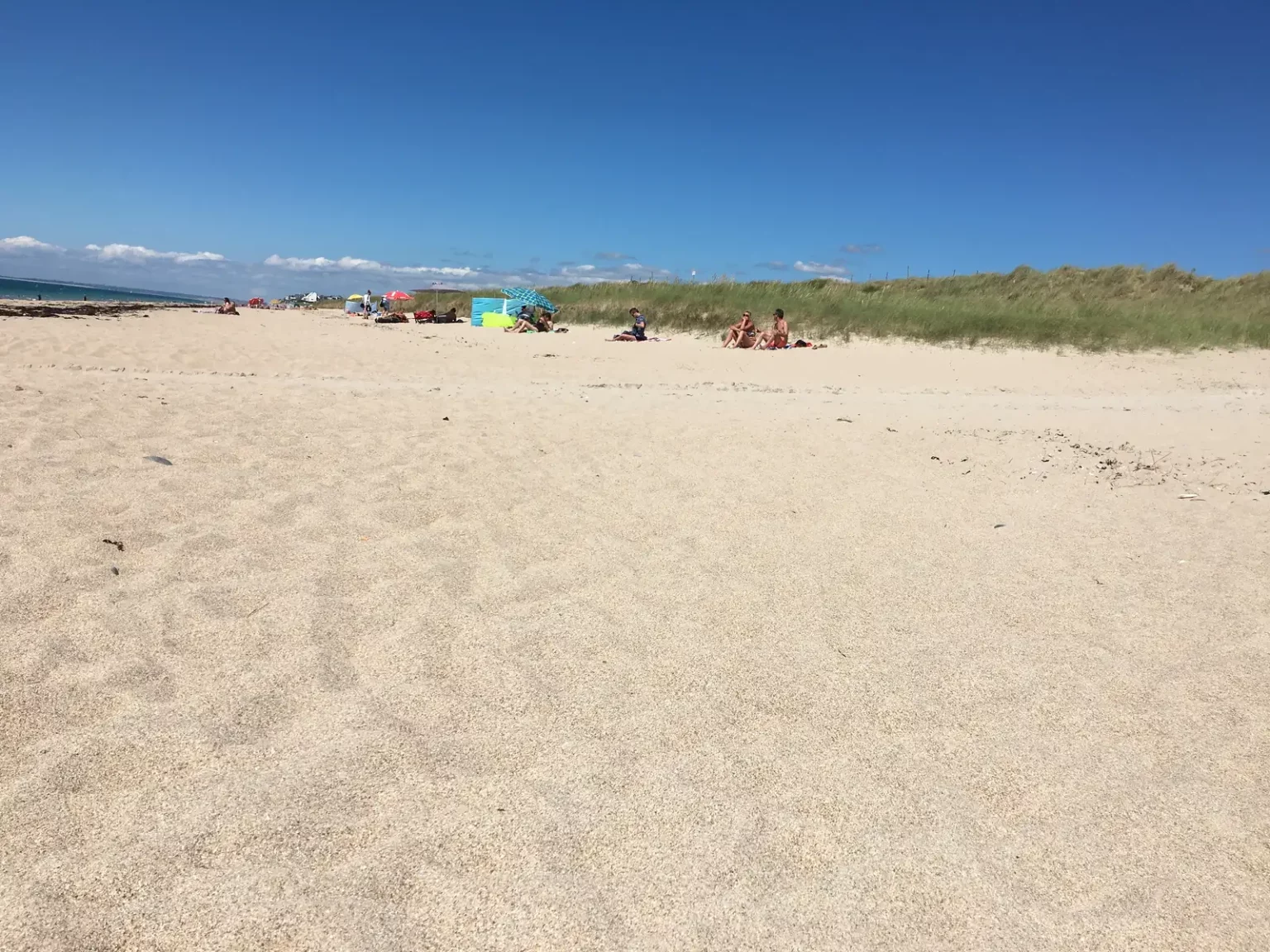
Omaha Beach is one of the best-known D-Day landing beaches. Located between Vierville-sur-Mer, Saint-Laurent-sur-Mer, and Colleville-sur-Mer, it stretches more than six kilometers along the Calvados coast. Today, the landscape remains very open, with a long beach bordered by the sea and the coastal cliffs, which helps visitors better understand the site’s layout at the time of the landings.
Omaha Beach is also closely linked to several other memorial sites in the area, notably the American Cemetery at Colleville-sur-Mer and the Omaha Beach Memorial Museum. The beach therefore plays a central role in the historical narrative of the American landing in Normandy.
Beach
Utah Beach
Utah Beach is located in the English Channel, in the town of Sainte-Marie-du-Mont. It was one of the American landing zones during the D-Day landings on June 6, 1944. Today, the site is home to the Utah Beach D-Day Museum, located on the very spot where the troops landed. The museum presents the operation through a chronological journey divided into several sections.
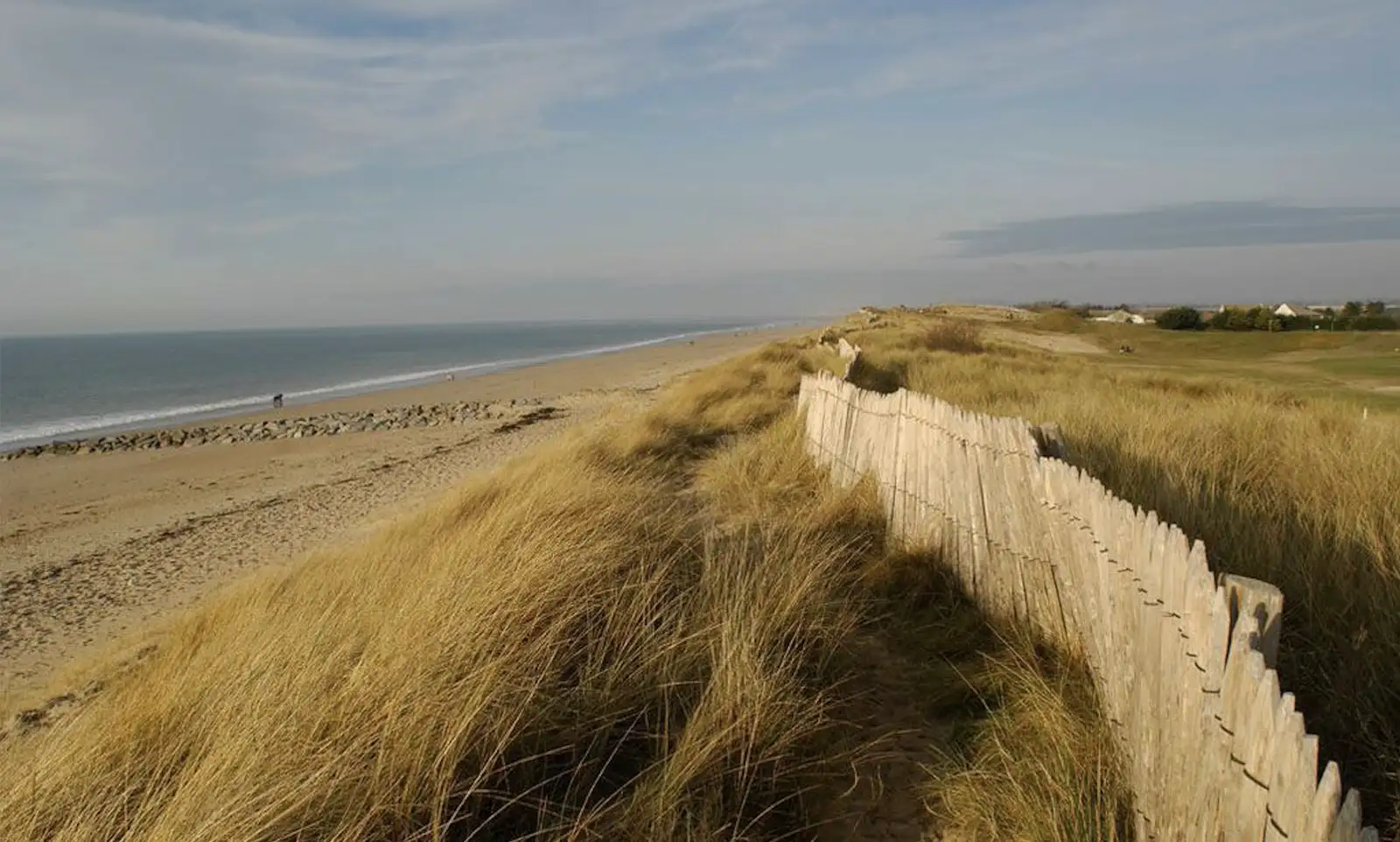
The landscape at Utah Beach is characterized by a very open beach and a more expansive setting, typical of this stretch of the Manche coastline. This geography helps give the site a different character than the other D-Day beaches.
Beach
Pointe du Hoc
Pointe du Hoc is one of the most recognizable sites of the Normandy landings. Located in Cricqueville-en-Bessin, between Omaha Beach and Utah Beach, it overlooks the sea from the top of a cliff about thirty meters high. This headland was part of the German Atlantic Wall fortifications and was stormed on June 6, 1944, by Colonel Rudder’s Rangers.
The site still bears visible traces of the fighting today, including craters, bunkers, and several military relics. These physical remnants give Pointe du Hoc a very distinctive appearance compared to the other D-Day landing sites.
Colleville-sur-Mer
The American Cemetery in Colleville-sur-Mer
The American Cemetery at Colleville-sur-Mer overlooks Omaha Beach. It covers approximately seventy hectares and stretches along the coast for nearly one kilometer. This memorial honors the American soldiers and civilians who died during the Battle of Normandy.
Because of its layout, its location above the beach, and the presence of a memorial and an interpretation center, the site holds an important place in the memory of the D-Day landings. It is one of the most symbolic sites in the Omaha sector.